When it comes to customizing clothing, accessories, and home textiles, embroidery and monogramming are two of the most popular personalization techniques. While these terms are often used interchangeably, they are not the same. Each method has its own purpose, aesthetic appeal, and ideal use cases.
In this in-depth guide, we’ll explore embroidery vs monogram, break down their differences, advantages, applications, costs, and help you decide which option is best for your needs.
Page Contents
- 1 What Is Embroidery?
- 2 What Is Monogramming?
- 3 Embroidery vs Monogram: Core Differences
- 4 Final Thoughts: Embroidery vs Monogram
What Is Embroidery?
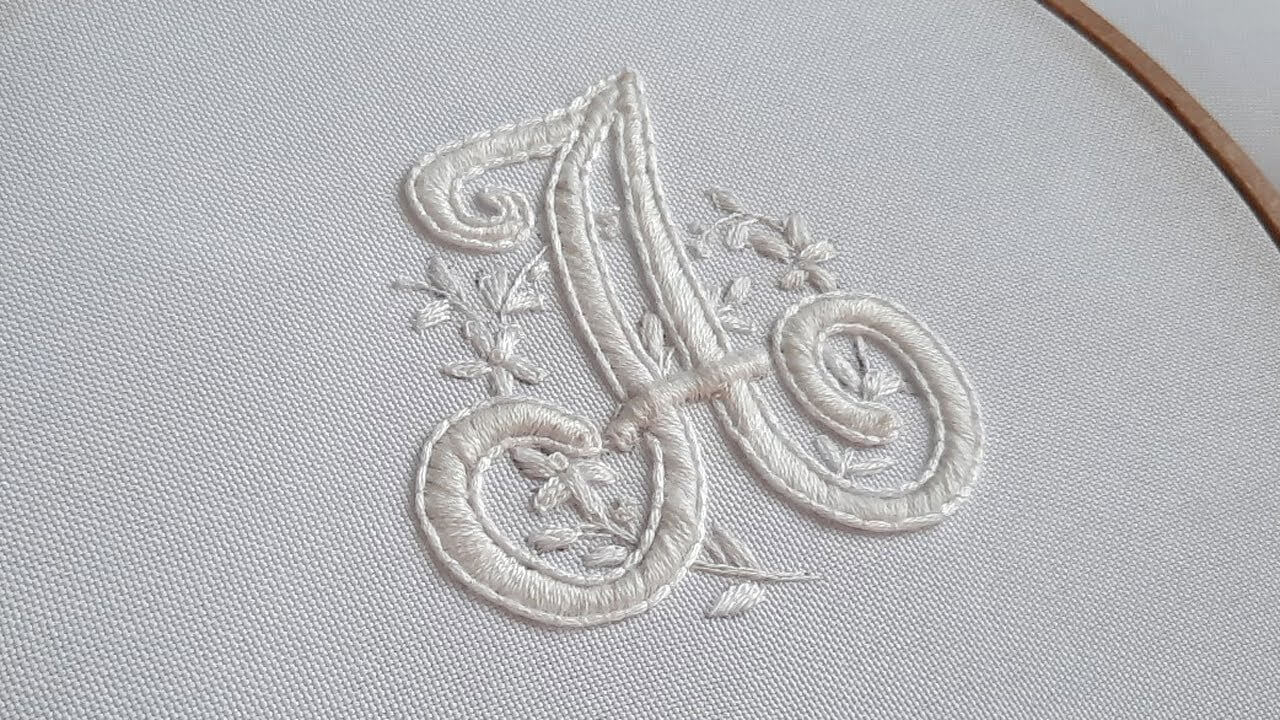
Embroidery is the art of decorating fabric using stitched designs, patterns, or images created with thread. It can range from simple logos to highly detailed artwork featuring multiple colors, textures, and stitching techniques.
Key Features of Embroidery
- Uses decorative stitches on fabric
- Can include logos, artwork, text, and complex designs
- Offers a textured and premium look
- Durable and long-lasting
- Suitable for both fashion and commercial use
Embroidery has been used for centuries and remains one of the most trusted methods for enhancing garments and textiles.
What Is Monogramming?
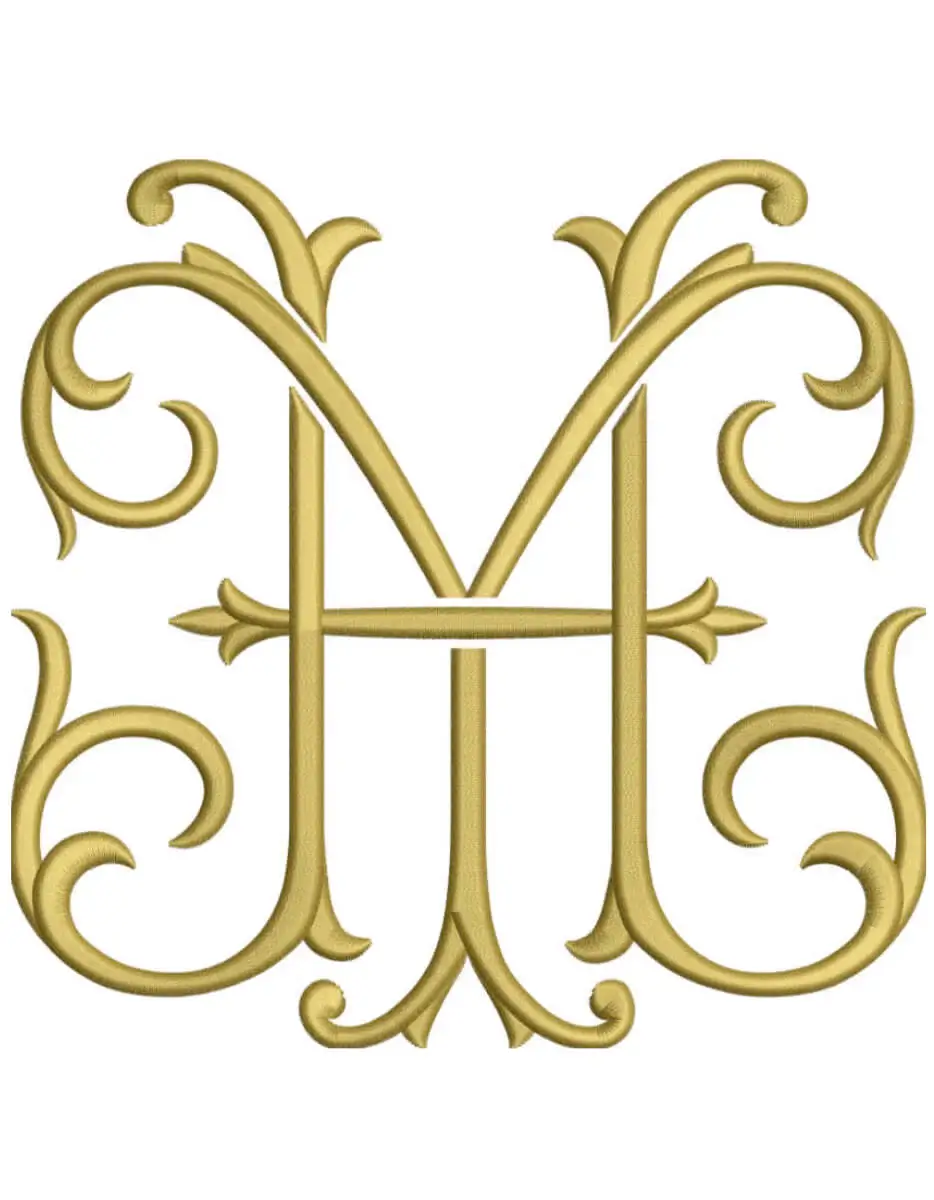
Monogramming is a form of personalization that focuses specifically on initials, letters, or short text, usually representing a person’s name or brand. It is typically simpler and more minimal compared to embroidery.
Key Features of Monogramming
- Usually consists of initials or short text
- Clean, elegant, and understated appearance
- Often placed in a small area of the fabric
- Common in personal and luxury items
- Can be done using embroidery or printing methods
While monogramming can be stitched, the concept itself is about letter-based personalization, not complex design.
Embroidery vs Monogram: Core Differences
| Feature | Embroidery | Monogram |
|---|---|---|
| Design Type | Images, logos, patterns, text | Initials or short lettering |
| Complexity | Can be very detailed | Minimal and simple |
| Customization Level | High | Limited |
| Visual Impact | Bold and decorative | Subtle and elegant |
| Typical Size | Small to large | Usually small |
| Purpose | Branding, decoration, fashion | Personalization, identity |
Design Flexibility
Embroidery
Embroidery offers greater creative freedom. You can stitch:
- Company logos
- Floral patterns
- Custom artwork
- Multi-color designs
- Large or small placements
This makes embroidery ideal for business uniforms, fashion pieces, and decorative textiles.
Monogramming
Monogramming focuses on typography and placement rather than design complexity. It’s best for:
- Initials on shirts or towels
- Names on bags or robes
- Personalized gifts
- Luxury branding
The simplicity of monograms adds sophistication rather than visual dominance.
Use Cases and Applications
When to Choose Embroidery
- Corporate branding and uniforms
- Sportswear and team apparel
- Fashion garments and designer wear
- Promotional merchandise
- Decorative home textiles
When to Choose Monogramming
- Personalized gifts
- Wedding and anniversary items
- Luxury apparel
- Everyday personal accessories
- Minimalist fashion styles
Durability and Longevity
Both embroidery and monogramming (when stitched) are highly durable, but embroidery generally lasts longer when exposed to frequent washing and heavy use.
- Embroidery holds its shape and color over time
- Monogramming remains durable but may be smaller and more delicate
For workwear or high-use garments, embroidery is often the better choice.
Cost Comparison
Embroidery Costs
- Higher cost due to design complexity
- Pricing depends on stitch count and colors
- Ideal for bulk orders and branding
Monogram Costs
- More affordable
- Less stitching and design time
- Cost-effective for individual items
If you need large-scale branding, embroidery offers better value long-term. For one-off personalization, monogramming is usually more budget-friendly.
Aesthetic Appeal
- Embroidery creates a bold, textured, and eye-catching finish
- Monogramming offers a refined, elegant, and timeless look
Your choice depends on whether you want to stand out or keep things subtle.
Branding and Business Use
Embroidery is widely preferred for business and brand identity because it allows full logo reproduction and high visibility. Monograms, on the other hand, work best for personal branding or boutique labels that focus on exclusivity.
Which One Is Right for You?
Choose embroidery if you:
- Need detailed designs or logos
- Want strong visual impact
- Are creating uniforms or promotional items
- Prioritize durability and branding
Choose monogramming if you:
- Want simple personalization
- Prefer elegance and minimalism
- Are gifting or customizing personal items
- Need a cost-effective solution
Also read: Embroidery vs Cross Stitch
Final Thoughts: Embroidery vs Monogram
While embroidery and monogramming share similarities, they serve different purposes. Embroidery is all about creativity, branding, and visual richness, while monogramming focuses on personal identity and understated elegance.
Understanding the differences between embroidery vs monogram helps you make the right choice, whether you’re customizing apparel for business, fashion, or personal use. Both methods add value, personality, and uniqueness to fabric, making them timeless techniques in the world of customization.