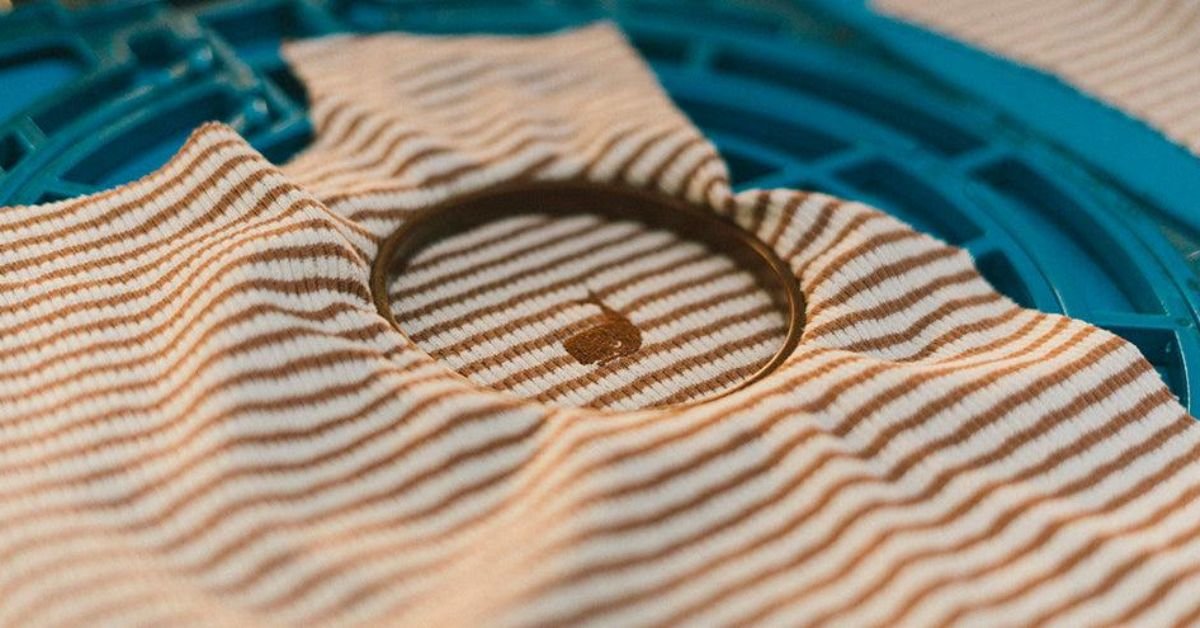
You finish an embroidery project, remove the hoop, and notice a frustrating circular mark around your design. The fabric looks flattened, shiny, wrinkled, or slightly discolored where the hoop was placed. If this has happened to you, you’re probably wondering how to fix hoop burn marks on fabric without damaging the embroidery.
The good news is that many so-called hoop burn marks aren’t actually burns. They are usually pressure marks caused by the embroidery hoop compressing the fabric fibers. With the right technique, these marks can often be softened or removed completely.
However, the best method depends on the type of fabric you’re working with. Cotton, linen, denim, velvet, satin, silk, and synthetic fabrics can all react differently to moisture, steam, heat, and pressure.
In this guide, you’ll learn what causes embroidery hoop marks, how to remove them safely, how to deal with stubborn marks, and how to prevent them from appearing on your next project.
What Are Hoop Burn Marks on Fabric
Hoop burn is a common term used by embroiderers to describe a visible ring left behind after removing fabric from an embroidery hoop.
Despite the name, the mark usually isn’t caused by actual burning. Instead, the hoop presses tightly against the fabric while you stitch. This pressure can flatten the fibers and temporarily change the texture or appearance of the material.
Some fabrics recover quickly once they’re removed from the hoop. Others may retain a noticeable ring for hours or even longer.
The problem can be particularly obvious on fabrics with a soft, raised, or shiny surface. Velvet, satin, silk, and some synthetic fabrics can show changes in texture much more easily than sturdy cotton.
The good news is that a pressure mark doesn’t automatically mean your fabric is permanently damaged.
Why Does an Embroidery Hoop Leave Marks
An embroidery hoop needs to hold fabric securely so it doesn’t move during stitching. However, excessive pressure can compress the fibers around the hoop.
Overtightening the hoop is one common reason for pronounced marks. Some embroiderers assume that tighter always means better, but excessive tension can distort the fabric rather than improve embroidery quality.
Leaving fabric inside the hoop for an extended period can also make the mark more noticeable. The longer the fibers remain compressed, the more difficult they may be to restore.
The surface of the hoop can contribute as well. Rough edges, dirt, adhesive residue, or a damaged hoop can leave marks or affect delicate materials.
Are Hoop Marks Actually Burns
Usually, no. A typical hoop mark looks like a circular indentation, wrinkle, shiny ring, or change in fabric texture. These signs usually indicate that the fibers have been compressed rather than burned.
Actual heat damage looks different. You may notice permanent discoloration, melted fibers, weakened material, or a texture that doesn’t return to normal after the fabric has rested.
This distinction matters because applying more heat to an ordinary pressure mark can sometimes make the situation worse.
Before reaching for a hot iron, examine the fabric carefully and determine whether you’re dealing with pressure or genuine heat damage.
How Do You Fix Hoop Burn Marks on Fabric
The safest place to start is with the simplest method: remove the fabric from the hoop and allow it to relax.
Place the fabric on a clean, flat surface and leave it undisturbed for a while. Depending on the material, the compressed fibers may gradually return to their original position.
If the mark remains, gently smooth the affected area with your fingers. Work from the wrong side whenever possible and avoid stretching the fabric.
For washable fabrics, a light mist of clean water can help relax compressed fibers. Don’t saturate the fabric, especially if the embroidery thread could bleed or react to moisture. Allow the fabric to dry naturally and check the result before trying another method.
Can Steam Remove Hoop Marks
Yes, steam can help with many types of fabric pressure marks. Steam works by relaxing the fibers, making it easier for them to return to their original shape. Hold the steamer or iron slightly above the fabric rather than pressing a hot surface directly onto the mark.
As the fabric receives gentle steam, carefully smooth or reshape the affected area. However, don’t assume every fabric can tolerate the same amount of heat. Cotton may handle steam comfortably, while silk, velvet, and some synthetic fabrics require much more care.
Always check the fabric’s care instructions first. If you’re working with an expensive or delicate material, test the steaming method on a hidden section before treating the visible hoop mark.
Should You Iron a Hoop Mark
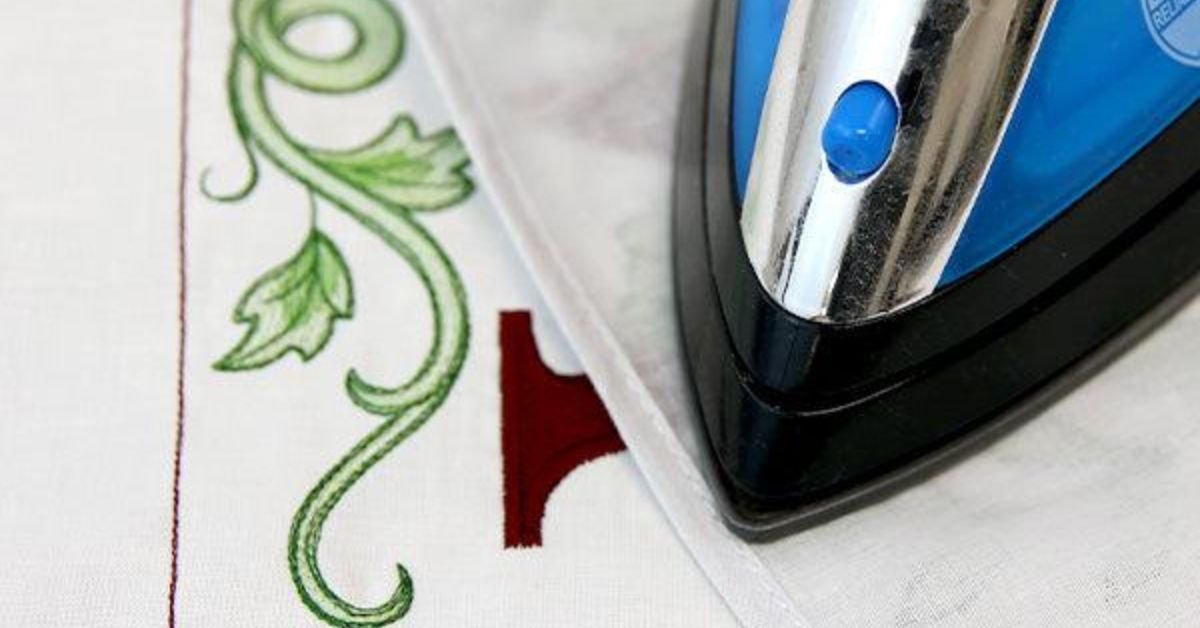
An iron can help with some fabrics, but it shouldn’t be your first solution in every situation. Direct heat and pressure can flatten fabric fibers even further. On shiny or textured fabrics, pressing the iron directly onto the surface may create another visible mark.
If ironing is suitable for the material, use the lowest effective temperature and place a pressing cloth between the iron and fabric. Whenever possible, press from the wrong side.
Take extra care around the embroidered design. Some embroidery threads can react differently to heat, and pressing directly over raised stitches can flatten the finished embroidery.
For many hoop marks, gentle steam is preferable to heavy direct pressing.
How Do You Remove Hoop Marks From Cotton
Cotton is generally one of the easier fabrics to restore after hooping. The way fabric is secured in the hoop can also affect how noticeable these marks become, so it’s worth following proper embroidery hooping techniques before starting your project.
Start by removing the fabric from the hoop and allowing it to rest. If the circular impression remains, lightly mist the area with water.
Use your fingers to gently smooth the fabric while it is slightly damp. Don’t pull or stretch the material because this can create distortion around the embroidery.
If the mark is stubborn, use gentle steam and allow the fabric to dry naturally.
For most cotton projects, patience is more useful than excessive heat. Give the fibers time to recover before repeating the process.
How Do You Remove Hoop Marks From Linen
Linen can develop noticeable hoop impressions because its natural fibers can become compressed under pressure.
After removing the fabric from the hoop, gently smooth the area with your hands. Light moisture can help relax the fibers.
If needed, use steam or a suitable iron temperature based on the fabric’s care instructions. Press from the wrong side and avoid putting unnecessary pressure directly on the embroidered area.
Once the fabric dries, the mark may become significantly less visible.
How Do You Fix Hoop Marks on Velvet
Velvet requires more care because its surface has a directional pile. When a hoop presses against velvet, it can flatten or change the direction of the pile. This creates a shiny or dark-looking ring that may appear much worse under certain lighting.
Avoid rubbing velvet aggressively. Instead, use gentle steam to relax the pile and then carefully restore its direction. A soft brush can sometimes help, but use very light pressure and follow the natural direction of the fabric.
Always test your technique on an inconspicuous section first. Velvet can be permanently altered by excessive heat or rough handling.
How Do You Remove Hoop Marks From Satin or Silk
Satin and silk require particular caution because heat, moisture, friction, and pressure can all affect their appearance.
Start with the least aggressive approach. Remove the fabric from the hoop and allow it to rest flat.
If the mark remains, gently handle the fabric from the wrong side. Avoid rubbing the visible surface.
Before using steam or an iron, check the care instructions. If the fabric is expensive, delicate, or difficult to replace, professional textile care may be safer than experimenting with heat at home.
A small hoop mark is frustrating, but permanent heat damage can be much harder to repair.
Why Does My Fabric Look Shiny After Removing the Hoop
A shiny circular area is often caused by compressed or flattened fibers rather than burning.
This happens frequently with fabrics that naturally reflect light from their surface. When the hoop changes the direction of the fibers, the affected area can reflect light differently from the surrounding fabric.
Velvet and satin are especially sensitive to this effect.
Gentle steaming may help restore the original texture. Avoid aggressively brushing or rubbing the surface because friction can create additional changes in appearance.
How Long Should Fabric Stay in an Embroidery Hoop
It’s best not to leave fabric tightly hooped longer than necessary.
Once you’ve finished your embroidery session, remove the fabric from the hoop if you don’t plan to continue stitching soon. This gives the fibers an opportunity to recover rather than remaining under constant pressure.
The risk is particularly important with delicate or textured fabrics.
If you’re working on a large design that requires multiple sessions, mark your positioning carefully so you can remove and rehoop the fabric without losing alignment.
Can You Prevent Hoop Burn Marks
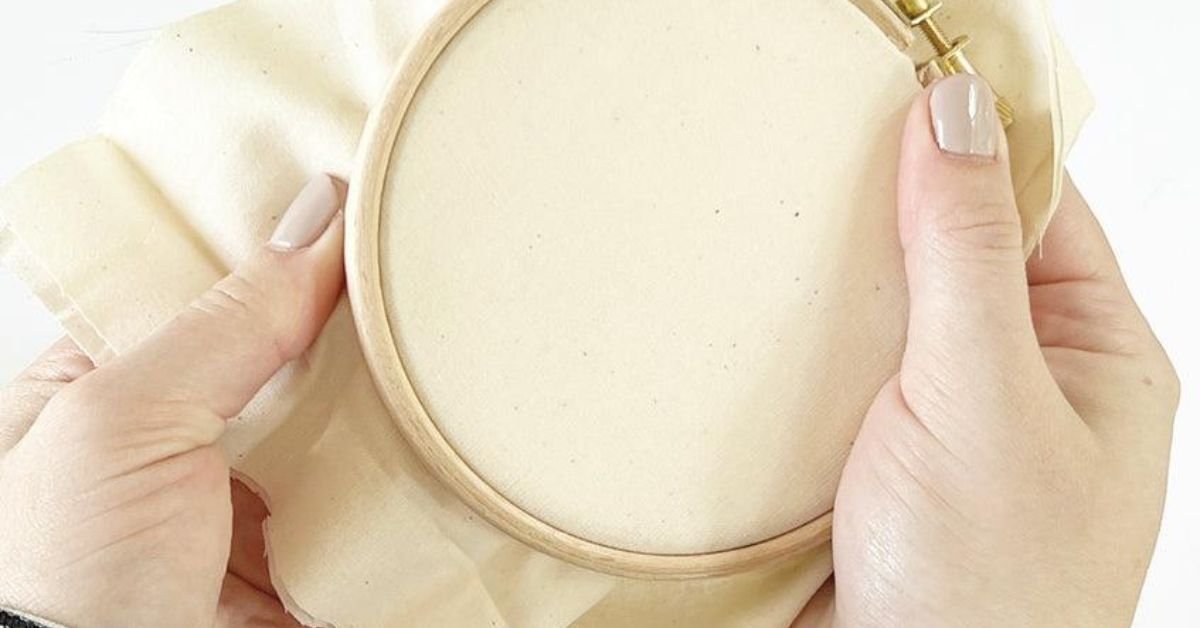
Yes, prevention is much easier than repair. The first step is to avoid overtightening the hoop. Your fabric should remain secure enough that it doesn’t shift during stitching, but you don’t need to stretch it excessively.
If you’re working with delicate fabric or looking for alternatives to traditional hooping, you may also want to read our guide on what to use instead of an embroidery hoop? to learn about other ways to secure fabric during embroidery.
Remove the fabric from the hoop when you’re finished for the day, especially if the project uses a delicate material.
Keep your hoop clean and inspect its edges regularly. A rough or damaged hoop can create unnecessary pressure or marks.
For sensitive fabrics, test your hooping method on a scrap piece before beginning the final embroidery. This simple test can reveal problems before they affect an expensive garment or finished project.
Does Stabilizer Help Prevent Hoop Marks
Stabilizer primarily supports the fabric during embroidery, but it can also influence how much stress the material experiences during stitching.
A suitable stabilizer helps prevent excessive fabric movement and reduces distortion around dense embroidery designs.
However, stabilizer doesn’t completely eliminate the possibility of hoop marks. You still need to use appropriate hoop pressure and avoid leaving the material tightly secured for unnecessary periods.
Think of stabilization and hooping as separate parts of the same process. The stabilizer supports the embroidery, while the hoop keeps the fabric positioned correctly.
What If the Hoop Mark Won’t Go Away
Some marks disappear quickly, while others require several gentle treatments. If the fabric still shows a ring after resting, try the least aggressive method suitable for that particular material. Gentle moisture or steam may gradually restore the compressed fibers.
Don’t keep increasing the heat simply because the first attempt didn’t work. Excessive heat can turn a temporary pressure mark into permanent damage.
If the fabric has become discolored, melted, permanently shiny, or visibly damaged, stop experimenting. A professional cleaner or textile specialist may be able to determine whether the material can be restored.
How Can You Tell If the Fabric Is Permanently Damaged
A temporary hoop mark usually improves when the fabric relaxes, receives appropriate moisture, or is gently steamed.
Permanent damage is more likely when the fibers have actually been burned, melted, chemically altered, or severely crushed.
If the color has changed permanently or the fabric feels different even after careful treatment, you may be dealing with more than a simple hoop mark.
When you’re unsure, don’t keep applying heat or moisture. Further treatment could make the damage worse.
Frequently Asked Questions
How do I remove hoop burn marks from fabric?
Remove the fabric from the hoop and allow it to relax. If the mark remains, use gentle moisture or steam appropriate for the fabric. Avoid aggressive rubbing and excessive heat.
Are embroidery hoop marks permanent?
Many hoop marks are temporary and disappear as the fabric fibers recover. However, prolonged pressure or inappropriate heat can sometimes cause permanent changes.
Why does my embroidery hoop leave a circle?
The hoop presses against the fabric while holding it in place. That pressure can flatten or compress the fibers, leaving a circular impression after the hoop is removed.
Can I use water to remove hoop marks?
Light moisture can help relax some washable fabrics. Avoid soaking delicate materials, and be particularly careful if your embroidery thread isn’t colorfast.
Can steam remove embroidery hoop marks?
Steam can relax compressed fibers and may reduce the appearance of hoop marks. Always make sure the fabric can safely tolerate steam before using it.
Should I leave embroidery fabric in the hoop overnight?
Removing the fabric from the hoop when you’re finished is generally a good practice, particularly for delicate fabrics. Extended pressure can make hoop marks more noticeable.
Why does my fabric look shiny after hooping?
The hoop may have flattened or changed the direction of the fabric fibers. This is especially common with fabrics that have a smooth, shiny, or textured surface.
How can I prevent hoop marks in future embroidery projects?
Avoid overtightening the hoop, remove fabric when you’re finished stitching, keep your hoop clean, and test your hooping method on scrap fabric before working on the final project.
Final Thoughts
Learning how to fix hoop burn marks on fabric starts with understanding that most hoop marks aren’t actual burns. In many cases, the embroidery hoop has simply compressed the fabric fibers or changed their direction.
Start with the gentlest solution. Remove the fabric from the hoop, give it time to relax, and then consider light moisture or steam if the material allows it. Avoid immediately reaching for high heat, especially when working with delicate fabrics.
The best solution, however, is prevention. Don’t overtighten your hoop, don’t leave fabric secured unnecessarily long, and always consider how your particular fabric reacts to pressure.
With a little care before, during, and after embroidery, you can reduce hoop marks and keep your finished projects looking smooth, clean, and professional.